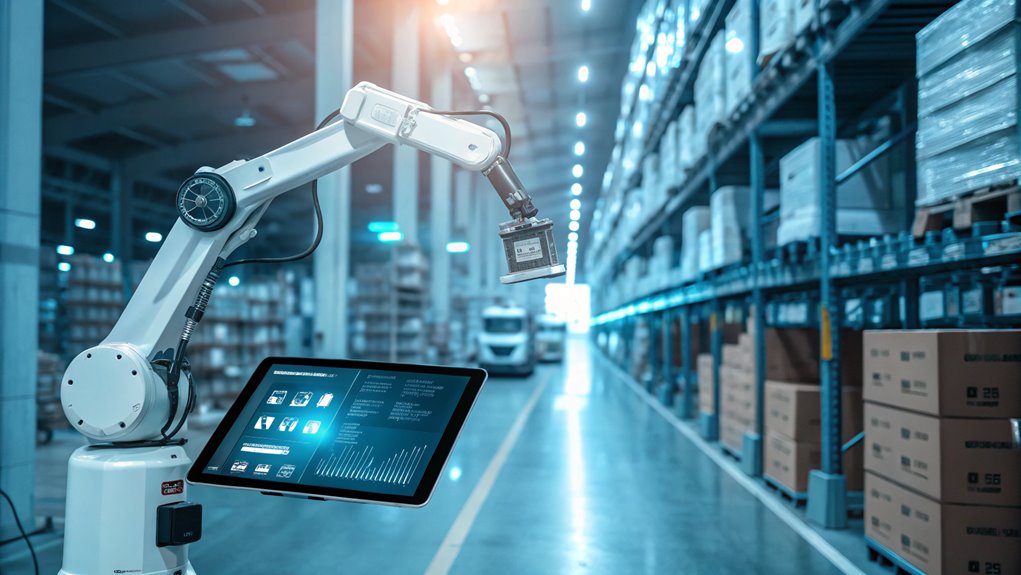
The same setup that cuts waste can expose gaps that bad actors and unfair labor practices can exploit. That is why the phrase “just in time manufacturing supply chains exploitation automation” belongs in every board discussion about risk.
There are two kinds of exploitation at play. One hits people. Automation can push wages downward and sideline low-skilled workers, which can feed unsafe working conditions in global tiers you do not see every day. The other target systems. Cybercriminals, malware, and now AI-focused threats go after the tight connections that make JIT sing. When a single supplier or software component gets compromised, the impact can ripple through production lines in minutes.
Operations leaders feel this tension every day. Efficiency keeps you competitive, but risk rides shotgun. In this guide, OptimizePros lays out a profit-first, field-tested approach to protect JIT speed without adding drag. You will see how to manage workforce exposure, lock down automated systems, and govern AI and LLMs with Just-in-Time Access and Zero Standing Privileges (ZSP). The payoff is real. Clients using our methods save up to $500K per quarter and see measurable ROI in weeks, all while reducing disruption and strengthening continuity.
Understanding Just-in-Time Manufacturing and Its Supply Chain Dependencies

Just-in-Time (JIT) centers on three ideas:
1) Hold minimal inventory
2) Time arrivals precisely
3) Let actual demand drive production
When teams run this way, you trim carrying costs, free working capital, and react faster to changes in orders. The method depends on near-perfect timing up and down the chain, which is why suppliers, logistics partners, and plants must operate almost as one.
That tight coupling brings impressive gains along with trade-offs. Buffers shrink. A missed delivery window or a late component can halt a line. To keep pace, companies adopt automation at every point where humans once keyed data, counted bins, or made routing calls. In the US, adoption of JIT and lean methods is now common across mid-market and enterprise manufacturers, with logistics groups building to that model as well.
The truth is simple. Automation is no longer optional if you want JIT speed and precision. The move brings clarity and consistency, yet it also multiplies dependencies. That is where risk creeps in. The industry must balance throughput with safeguards that keep the chain moving even when something goes wrong.
“All we are doing is looking at the timeline from the moment the customer gives us an order to the point when we collect the cash. And we are reducing that timeline by removing the non-value-added wastes.” — Taiichi Ohno
The Role of Automation in Modern JIT Systems
Automation gives JIT its edge. Robotics cut cycle times on the line and in the warehouse. AI systems optimize routes, sort orders, and predict parts needs before anyone calls a meeting. Large Language Models (LLMs) help automate procurement messages, vendor follow-ups, and exception handling at scale. Predictive analytics ties it together by spotting patterns humans miss and recommending adjustments in time to matter.
Core building blocks include:
- IoT sensors and scanners that feed real-time status, counts, and quality signals
- ERP/MES integrations that coordinate schedules, work orders, and supplier ASN data
- Digital twins to simulate plans and stress-test capacity without touching the line
- Automated material handling (AMRs/AGVs) to move goods with fewer stops and errors
It all works when integrations are clean and data flows freely. The payoff is faster response and fewer manual bottlenecks. At the same time, every new data pipe, plugin, and bot adds another door to guard. The more connected the stack, the larger the surface that attackers and fraudsters can probe for weak spots.
The Dual Nature of Exploitation in Automated JIT Supply Chains
In JIT environments, exploitation has two faces. One face shows up in labor exposure when automation pressures wages and pushes low-skilled work to unstable tiers. The other face shows up in systems, where attackers exploit the very tools meant to keep parts moving, from ERP plugins to AI agents connected to production.
These forces are linked by the same pressure to cut cost and compress timelines. Fast-moving teams may defer controls, underinvest in supplier oversight, or run with permissive access because speed feels urgent. That is when problems stack. Poor labor practices erode brand value and attract regulators. Weak identity controls give intruders a clear path to crown jewels. Each side feeds the other. Under stress, teams scramble, mistakes spike, and a minor issue escalates to a major outage.
Treating the two dimensions separately does not work. You need a single plan that covers people and systems together. That is the OptimizePros approach. We build a unified risk model, then harden the highest-impact areas first, so you protect profit, safeguard people, and keep production plans intact.
Workforce Exploitation Risks in Automated JIT Environments

Automation displaces tasks, and when JIT is in play, the push to trim costs can accelerate that shift. Verisk Maplecroft’s analysis warns that rising automation raises the chance of exploitative work. When machines do more, humans may fight for fewer roles at lower pay, which opens the door to unsafe conditions and forced labor in the deeper tiers.
The risk is not theoretical. The International Labor Organization estimates that 56% of workers in the ASEAN-5 (Cambodia, Indonesia, Thailand, the Philippines, Vietnam) face high automation risk by 2040. In garments and footwear, new “sewbots” and automated cutting lines compress lead times but remove millions of jobs from the ladder. Reports from Vietnam suggest that 2.6 million women could be displaced if brands continue shifting to automated capacity. As sourcing moves from China to Vietnam, the pressure increases on local suppliers to meet price and timing goals.
The link to modern slavery is stark. When steady factory work disappears, people accept risky jobs or get pulled into debt bondage and other abuses. For brands and their tier-one partners, this is a reputational and regulatory minefield. Laws and trade rules are tightening, and buyers scrutinize supplier practices. Companies that ignore labor exposure add real costs in the form of fines, lost contracts, and public backlash. The smarter route is to adopt an ethical automation plan that pairs productivity gains with reskilling, living wage expectations, and better visibility into tier-2 and tier-3 conditions.
“Security is a process, not a product.” — Bruce Schneier
While Schneier spoke about security, the same spirit applies to labor programs: build a repeatable process that prevents shortcuts when timelines get tight.
High-Risk Sectors and Geographic Vulnerabilities
Garment, textile, and footwear suppliers operate on thin margins and fast clocks, so they sit at the top of the risk chart. Automation hits these lines first because tasks are repetitive and volumes are high. In the ASEAN-5, local economies depend on these jobs, which magnifies the impact when lines get automated or work shifts to fewer, larger plants.
Sourcing shifts from China to Vietnam increased both opportunity and strain. Suppliers rush to add capacity and sometimes cut corners to hit price points. Domestic trends matter too. A fully automated apparel factory in Arkansas showed that complete automation can operate inside the US, reducing headcount to near zero for certain tasks. The real blind spots live at tier-2 and tier-3, where visibility is thin. Mapping risk across these layers requires structured supplier surveys, independent audits, and AI tools that flag anomalies in delivery patterns, wage signals, and turnover rates.
Watch for early warning signs:
- Persistent overtime above legal thresholds
- High turnover spikes before peak seasons
- Unusual recruiter fees or debt-linked contracts
- Wage variance that departs from regional norms
- Frequent quality escapes aligned with shift changes
Ethical and Financial Imperatives for Responsible Automation
Handling labor exposure well is both the right move and a sound business decision. Regulatory penalties, lawsuits, and lost contracts carry high direct costs. Indirect costs grow as customers and investors react to poor labor news and weak ESG scores. Companies that protect workers gain an edge as transparency rises and buyers expect proof of fair practices.
OptimizePros helps clients connect automation ROI to ethical workforce plans. That includes:
- Building reskilling and upskilling into capital requests and business cases
- Diversifying sourcing across regions to avoid concentration risk
- Defining KPIs for safe labor practices and tracking them on quarterly dashboards
- Extending third-party due diligence to tier-2 and tier-3 suppliers
- Aligning policies with laws such as the UFLPA, Modern Slavery Acts, and local labor codes
When leaders treat worker programs as an operational investment, not a public relations line item, they gain speed, stability, and stronger supplier performance.
Cybersecurity and System Exploitation Vulnerabilities in JIT Automation

Automated JIT chains are attractive targets because the payoff from disruption is immediate. A single weak credential or compromised vendor package can stall lines, miss delivery windows, and trigger contract penalties. Recent studies show a 78% rise in supply chain attacks, with 97% of firms reporting fallout from a partner breach in the last year. That matches what operations teams see on the floor when data stops flowing or planning systems fail during peak runs.
The risk is magnified by JIT’s tight coupling. Minimal buffers mean there is little slack to absorb downtime. Prime contractors rely on small suppliers that may not have mature security. Attackers understand this and go after the weakest link to reach a larger target. Events like the SolarWinds breach and the Log4j flaw exposed how a hidden issue in a trusted component can cascade across thousands of networks.
Cost exposure is high. Production halts drain revenue. Data theft puts designs and pricing at risk. Cleanup and legal work pull teams off mission-critical tasks. When everything is automated, the technology supply chain itself becomes a priority risk area. Hardware, firmware, libraries, and plugins must be tracked and controlled, or they become an open door for attackers who know exactly where to look.
Practical safeguards that fit JIT:
- Maintain Software Bills of Materials (SBOMs) for critical apps
- Use signed updates, provenance checks, and staged rollouts
- Enforce Multi-Factor Authentication (MFA) and conditional access for all vendors
- Keep immutable backups and practice recovery with timed drills
Software Supply Chain Attack Vectors
Attackers favor trusted channels because they bypass normal alarms. In a software supply chain attack, bad code slips into a vendor build or a popular library that your tools rely on. With SolarWinds, a tampered Orion update granted broad access to customer networks. With Log4j, a tiny flaw in a widely used Java logging library turned into a global emergency because the component sat inside countless apps.
JIT operations face a rough trade-off. You aim for uptime, which can delay patch cycles, but delays widen exposure. Many teams do not have complete maps of their nested dependencies, so they scramble to locate every instance when a headline breaks. Detection is hard because updates arrive from a source you normally trust. The fix is a blend of better SBOMs, staged patching plans fit for 24/7 lines, and layered monitoring that validates behavior, not just signatures.
Recommended practices:
- Adopt frameworks like SLSA for build integrity
- Verify artifacts with sigstore and similar tooling
- Gate deployments with canary releases and automatic rollback
- Monitor runtime behavior with anomaly detection, not just static scans
Targeting Weak Links: Small Supplier Vulnerabilities
Threat actors often target small suppliers with limited budgets and thin controls. The Visser Precision breach made this plain. A company with fewer than 50 employees was compromised, and sensitive drawings tied to major defense contractors surfaced. The impact spread beyond the initial victim to large programs that depend on those parts.
Trust is the weakness. Once a small vendor is inside your approved list, their access can skip normal filters. Contracts may lack security clauses or audit rights, and procurement may not check for identity controls before issuing credentials. The fix starts with tiered requirements, right-sized assessments, and continuous monitoring that extends to critical tier-2 and tier-3 partners. You close the gap by raising the floor across your network, not just at the top.
Minimum viable controls for small suppliers:
- MFA everywhere; no shared accounts
- Endpoint protection with EDR and regular patching
- Encrypted file exchange and secure portals for drawings
- Annual security attestation with spot checks
- Time-bound access to your systems via Just-in-Time Access only
“Trust, but verify.” — Ronald Reagan
AI and LLM Exploitation: The Emerging Frontier in JIT Supply Chain Risk
AI and LLMs now sit in the middle of JIT operations. They route trucks, shape purchase orders, predict shortages, and generate messages to vendors and customers at scale. That speed creates fresh risks because these systems handle sensitive data, connect to powerful APIs, and sometimes run with broad permissions. Traditional controls that worked for static apps often miss how LLMs behave when they are prompted in creative ways.
The OWASP Top 10 for LLMs outlines new classes of risk. Prompt injection can trigger harmful actions. Insecure output handling can pass a dangerous command downstream. Excessive agency lets an overprivileged bot take actions that humans never intended it to take. When a model pulls data from shared storage with weak controls, model theft becomes a real threat, and model denial of service can take down chat-based workflows that staff rely on during peak cycles.
Consider a realistic scenario. A logistics team deploys a powerful LLM, and a disgruntled insider crafts a prompt that mimics admin instructions. The system reroutes shipments, cancels contracts, and cleans logs. With JIT buffers thin, the disruption hits fast, and losses mount. The lesson is direct. AI power demands identity-grade governance. Without it, you hand the keys to a system that moves faster than any human team can respond.
Critical LLM Vulnerabilities in Supply Chain Context
- Prompt Injection: Clever inputs bypass guardrails. In a supply context, a vendor chatbot could be pushed to reveal order histories or pricing tiers, which invites fraud and undercuts negotiations. Mitigation: strict input/output filtering, allowlists, and context isolation.
- Insecure Output Handling: An AI suggestion becomes a destructive action when downstream systems trust it by default. If a model writes a script to “clean a table,” and another service runs it without validation, you can erase live data and halt production feeds. Mitigation: treat model output as untrusted; require validation or sandboxing.
- Excessive Agency: An LLM holds broad permissions across storage, messaging, and orchestration tools. A vague prompt triggers deletions or mass updates that were never intended. Mitigation: narrow, task-specific permissions and explicit approvals for high-impact actions.
- Training Data Poisoning and Model Theft: Weak controls around training data or model artifacts can corrupt outputs or leak IP. Mitigation: access controls on datasets, encrypted model stores, and strict key management.
- Indirect Prompt Injection (RAG): When using retrieval-augmented generation, malicious content in connected files or sites can seed harmful instructions. Mitigation: sanitize retrieved context and score sources before inclusion.
Treating AI Agents as Identities: A Paradigm Shift
LLMs and automation tools are not just services. They are identities that request data and trigger actions. Treating them like background service accounts with permanent secrets is a mistake. Every bot should authenticate, ask for access, and leave a clean audit trail the same way a human admin would.
This shift moves you away from static keys and toward dynamic, context-aware permissions. You track every request, approval, and action in real time, tied to the agent that asked for it. When you close gaps for machine identities, you remove blind spots that attackers use to pivot. OptimizePros applies a unified identity model across humans and bots so nothing acts without a clear, time-bound authorization.
Practical enablers:
- Short-lived tokens via OIDC and workload identity federation
- Ephemeral credentials issued on demand and auto-revoked
- Session recording for both human and machine access
- Risk-based approvals for sensitive scopes
OptimizePros’ Comprehensive Approach to Just-in-Time Access and Zero Standing Privileges
JIT manufacturing runs fast, which tempts teams to grant broad, permanent access so systems never wait. That is where most breaches get their start. Our Privileged Access Management (PAM) approach is built for high-velocity plants and distribution networks. We apply Just-in-Time Access and Zero Standing Privileges (ZSP) to both people and machines so the right actor gets the right access only for the moment it is needed.
Just-in-Time Access grants permissions on demand, scoped to a single task, and then removes them automatically when the task ends. There are no long-lived credentials to steal or reuse. Zero Standing Privileges means no user or bot holds permanent keys to critical systems. Access is requested, reviewed when needed, and granted for short windows. This model shrinks the attack surface without adding friction to your operations.
Why does this matter for automated JIT? Because your bots, plugins, and LLMs often operate with powerful roles. If those roles are permanent, a prompt injection or stolen token can wreak havoc. With JIT Access and ZSP, even a compromised agent hits a wall after minutes, not months. You also gain complete audit logs that support investigations, compliance reviews, and continuous tuning.
This design stops the LogiMind-style meltdown. An LLM cannot reroute shipments or cancel contracts unless it requests exact permissions for those actions, and those requests can require human approval when risk is high. The result is speed with guardrails, not speed with blind trust.
Key capabilities we deploy:
- Time-boxed access with automatic revocation and re-authentication
- Fine-grained scopes mapped to tasks, not roles
- Step-up approvals for high-impact operations
- Full session logging with searchable trails across ERP, MES, SCM, and cloud
How JIT Access Mitigates Specific LLM and Automation Risks
JIT Access blocks prompt injection impact by controlling who can talk to sensitive LLM interfaces in the first place. Users check out privileges to interact with high-risk agents, and the request itself is recorded, which adds real accountability. If a prompt goes wrong, the scope is limited because the agent holds only task-specific permissions.
Insecure output handling gets contained because the model cannot execute code in production without a separate, short-lived grant. That grant can trigger automated tests or a human checkpoint before any script runs. Data poisoning risks drop when only a small set of identities can modify training datasets, and those identities receive narrow, time-bound rights. Model denial of service becomes harder when access tokens are short-lived and tightly scoped, limiting the window for abuse.
Excessive agency goes away when you strip broad, permanent roles and replace them with permissions sized to each action. Model theft becomes far less likely when model storage and endpoints are closed by default and opened briefly on approved requests. Finally, you can require human oversight for high-impact actions. A multi-step approval flow for an LLM that wants to alter a production database turns a one-line prompt into a controlled change with clear sign-offs.
Implementation Without Disruption: OptimizePros’ Zero-Downtime Approach
Production cannot pause for a security project. Our team builds JIT/ZSP controls in phases, starting with the highest-risk identities and systems. We run new and old paths in parallel during cutover, so the plant keeps moving while controls tighten in the background. Policies automate themselves after setup, which keeps admin effort low.
We plug into your IAM, SIEM, ERP, and MES so you do not need a ground-up rebuild. Monitoring runs in real time, and we tune performance so access checks do not slow decisions on the floor. Clients see material risk reduction in the first 30 days, and we keep hardening the program while your schedule stays intact.
A typical rollout:
1) Identify crown-jewel systems and overprivileged accounts
2) Map tasks to least-privilege scopes and define approval tiers
3) Integrate SSO/IAM and deploy brokers for ephemeral credentials
4) Pilot on a critical but bounded workflow; measure latency and success rates
5) Expand coverage, automate evidence capture, and fine-tune policies
Holistic Supply Chain Risk Management Strategies for JIT Environments
Cybersecurity alone cannot carry the load. JIT chains face a wide risk set that spans production, finance, geopolitics, and weather. Each area can stop lines on its own or mix with others to cause larger outages. The right approach maps these risks together, then targets hot spots with practical defenses that fit JIT speed.
Visibility is the base. You cannot manage what you cannot see, especially beyond tier-1. The plan then builds resilience without breaking lean principles. That means smart redundancy where it counts, supplier diversity to avoid concentration, and response playbooks that trigger at the first sign of trouble. A shared-responsibility mindset with partners raises the security floor across the chain and reduces surprises for everyone.
Multi-Dimensional Risk Assessment Framework
A complete assessment looks across five dimensions:
- Cyber: Vendor security, identity controls, segmentation, and readiness for standards like NIST SP 800-171 and CMMC
- Operational: Quality drift, capacity health, delivery reliability, and single-source exposure
- Financial: Supplier stability, payment terms, and currency swings
- Geopolitical: Trade rules, regional stability, and tariff exposure
- Environmental: Disasters, climate trends, and facility locations
We apply risk scoring to rank issues by likelihood and impact, then prioritize fixes that cut the most risk per dollar. Continuous monitoring beats once-a-year reviews because JIT conditions change fast. OptimizePros pairs this framework with AI-driven analytics to spot drift in real time and alert your team before a small issue becomes a stop-ship event.
Methods that work well:
- FMEA or bow-tie analysis to trace failure paths
- Control limits and SPC for early detection of process drift
- Heat maps tied to SKUs, routes, and supplier tiers
Building Resilience Through Strategic Redundancy
JIT trims buffers, yet resilience needs backup. The smart path is targeted redundancy. You add backup suppliers for critical components, split awards across regions, and hold small safety stock only for long-lead or high-criticality parts. The trick is to pick the minimum that shields you from likely shocks.
We model the cost of added buffers against the cost of downtime, then set thresholds that trigger a switch to alternates. Geographic spread matters, but you can do it without fragmenting operations by standardizing specs and qualification steps. When risk rises, you can onboard a pre-vetted supplier quickly and avoid weeks of paperwork while a line sits idle.
Practical plays:
- Dual tooling for critical parts; pre-approve alternates
- Postponement strategies to keep semi-finished goods flexible
- Cross-training and polyvalent staffing to absorb spikes
- Contract clauses for rapid ramp with pre-set pricing bands
Regulatory Compliance and Industry Standards for JIT Supply Chain Security
Compliance is not optional when you serve regulated programs or defense work. It is a contract requirement and a gate to new business. NIST SP 800-171 defines controls for protecting Controlled Unclassified Information in non-federal systems. CMMC raises the bar for defense contractors, with levels that match the sensitivity of the work. NIST SP 800-161 provides a playbook for cybersecurity supply chain risk management. Depending on your footprint, standards like ISO 27001 (information security) and ISO 22301 (business continuity) can strengthen posture without slowing the line.
The hard part is staying compliant while running 24/7 plants. Documentation, evidence collection, and continuous control checks can clog the pipeline if handled manually. OptimizePros speeds the process with automated monitoring, prebuilt templates for audits, and workflows that collect proof without slowing operations. Many clients reach NIST 800-171 readiness about 40% faster and then maintain it as a living program rather than a one-time sprint.
OptimizePros’ Accelerated Compliance Implementation
We begin with a gap assessment that maps current controls to required controls and assigns priorities tied to risk. The remediation plan hits the highest-impact items first so you cut exposure fast. Automated checks log activity and collect evidence as part of normal work, reducing prep time when auditors call.
Our team integrates controls with MES and ERP systems to avoid duplicate data entry. We support both initial certification and ongoing maintenance, so the program does not backslide. With this model, clients move from assessment to CMMC Level 2 certification on a clear timeline, and the spend pays back as both risk reduction and deal enablement.
Operational details:
- POA&M management with clear owners and due dates
- Continuous control monitoring and alerting
- Audit-ready evidence libraries mapped to each control family
Using Advanced Visibility and Analytics for Proactive Risk Management

Most organizations see tier-1 clearly but lose the thread at tier-2 and beyond. That is where hidden single points of failure live. Advanced mapping builds a complete view of parts, vendors, and routes tied to your SKUs. Real-time monitoring looks for deviations in plans, transit times, and quality signals, then raises a flag early enough to act.
Predictive analytics sharpen the picture. Demand forecasts improve, supplier scorecards update in near real time, and disruption models weigh weather, policy changes, and financial stress. The system blends internal data with outside feeds and then recommends actions when risk crosses a threshold. OptimizePros integrates these capabilities with your ERP, MES, and SCM stack, so you gain intelligence without ripping out tools that already work.
A practical “control tower” view should include:
- Lane-level ETA variance and dwell time alerts
- Supplier quality and OTD trends with thresholds
- Inventory risk by BOM position and lead time
- External signals (storms, port closures, strikes, currency swings)
Predictive Analytics for Disruption Prevention
Machine learning models trained on historical events help your team see around corners. Forecast accuracy climbs, which lowers the chance of surprise shortages and expedites. Early warning signals show up when a supplier’s quality trend dips or deliveries start to slip, giving you time to intervene.
Models score geopolitical and weather risks against your network, pinpointing plants and lanes that may need a plan B. Financial health indicators flag troubled partners before invoices bounce. When risk levels rise, the system proposes actions like pulling forward orders, switching to backup suppliers, or adding temporary inventory. Clients who use these tools cut unplanned downtime by roughly a third in the first year.
The Future of JIT Supply Chains: Balancing Automation with Resilience
Automation will spread, not shrink. AI, robotics, and LLMs will run more workflows and handle more exceptions. The tension between efficiency and resilience is not a problem to solve once; it is a balance to manage every quarter. You will see new tools for traceability, optimization, and planning—from blockchain-based provenance to quantum-class algorithms that test millions of production paths.
Workforces will change too. Leaders who pair automation with fair labor practices and serious reskilling will keep talent and avoid compliance pain. Governments will tighten rules around supply chain security and transparency, and climate pressure will add more frequent shocks to routes and facilities. The edge goes to organizations that build flexible plans, govern AI with identity-grade controls, and keep clear sight down to tier-3. OptimizePros will keep pushing methods that protect profit while keeping operations steady, even as the tools and threats keep evolving.
Conclusion
JIT systems lift performance, but they also widen exposure. The risks cut two ways. Workers in deep tiers face pressure as automation spreads, and automated systems themselves face rising threats from attackers and misuse of AI. That mix hits JIT harder because buffers are thin and timing is tight.
Winning teams do not pick one risk to address. They build a full program that covers labor practices, cybersecurity, AI governance, compliance, and analytics in one plan. Just-in-Time Access and Zero Standing Privileges are the modern defense for AI-driven automation because they bind every action to a short window and a clear purpose. With OptimizePros, clients protect their chain, keep production steady, and save up to $500K quarterly, with ROI measured in weeks.
The competitive gap will widen between firms that manage risk on purpose and those that race for speed and hope for the best. If you want efficiency and staying power, now is the time to act. Schedule an assessment with OptimizePros to expose weak points, prioritize fixes, and model the ROI tied to each step. We help manufacturing and distribution leaders run faster with fewer surprises—profit-first, data-backed, and built for real plants and real deadlines.
FAQs
Question 1: What Is the Biggest Cybersecurity Risk in Just-in-Time Manufacturing Supply Chains?
The largest risk is the single-point-of-failure effect created by tight coupling and low buffers. Software supply chain attacks against trusted components can bypass defenses and spread quickly. Small suppliers with weak controls often serve as entry points to large contractors. AI and LLM misuse can magnify damage by automating bad actions at scale. Because JIT moves fast, any breach hits harder, which aligns with the reported 78% rise in supply chain attacks across the sector.
Question 2: How Does Just-in-Time Access Differ From Traditional Access Control Methods?
Traditional access relies on static credentials and standing permissions that linger for months or years. Just-in-Time Access grants permissions only when needed, for a specific task, and then removes them automatically. Zero Standing Privileges means no user or bot keeps permanent keys to critical systems. This is vital for LLMs and bots that act autonomously. It shrinks the attack surface and cuts stolen-credential risk while plugging into your current IAM stack without slowing production.
Question 3: What Are the Labor Exploitation Risks Associated With Automation in JIT Manufacturing?
Automation displaces routine tasks, which forces workers to compete for fewer roles and pushes wages down. The ILO estimates 56% of workers in the ASEAN-5 face high automation risk by 2040, with garment and textile sectors hit hardest. Displaced workers become vulnerable to unsafe conditions or modern slavery. Companies that ignore these trends face reputational damage and regulatory action. Leaders share responsibility with governments to invest in fair transitions and transparent supplier oversight.
Question 4: How Can Manufacturers Comply With CMMC Requirements Without Disrupting JIT Production?
Use a phased plan that fixes the biggest gaps first and automates evidence collection. Integrate controls with MES and ERP so audits run in parallel with daily work. OptimizePros applies a zero-downtime rollout that maps current controls to CMMC, prioritizes high-risk items, and automates monitoring. Many clients reach Level 2 on an accelerated timeline. Compliance then becomes a deal enabler for DoD work, not a blocker that stalls your plant.
Question 5: What Is an LLM Vulnerability and Why Should Supply Chain Managers Care?
LLMs are AI systems running routing, inventory, and vendor communications. Vulnerabilities allow attackers to push them into unsafe actions. Prompt injection, insecure output handling, and excessive agency are common and dangerous. A single malicious prompt can reroute shipments or cancel orders, as shown by the LogiMind scenario example. Traditional controls miss this class of risk, which is why the OWASP Top 10 for LLMs matters. OptimizePros uses Just-in-Time Access to govern these agents safely.
Question 6: How Quickly Can a Company See ROI From Implementing JIT Supply Chain Risk Management Solutions?
Most organizations begin to see payback in weeks. Savings come from avoided disruptions, better inventory control, and faster, cleaner operations. OptimizePros clients report up to $500K in quarterly savings on average. Avoided breach costs alone often cover the program spend. Added benefits include faster contract wins from compliance readiness and roughly a one-third cut in unplanned downtime within the first year.