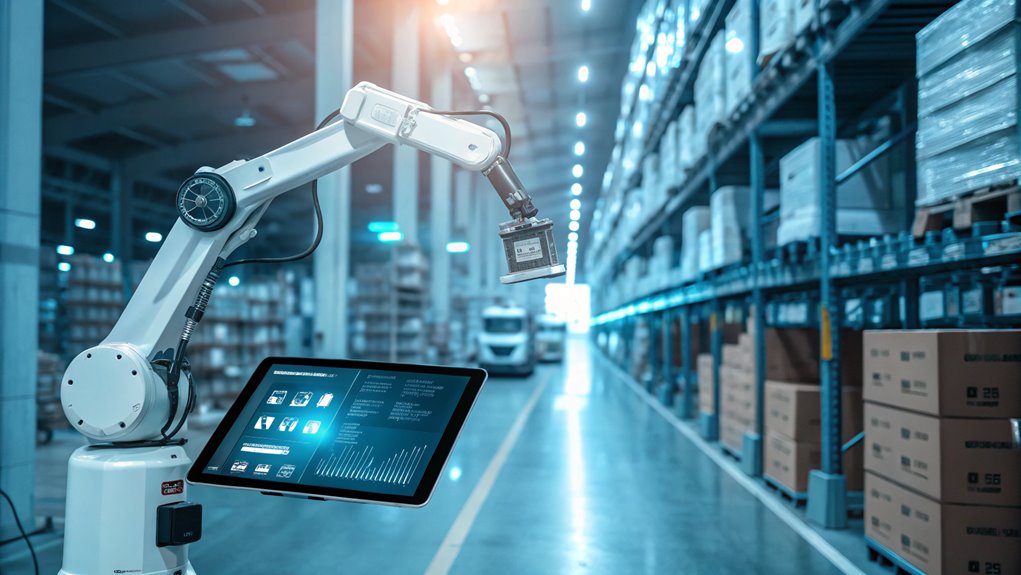
An operations leader once told me that every hour spent chasing missing orders felt like bailing water from a leaky boat. That story mirrors the numbers. Deloitte found that nearly eight out of ten executives dealt with serious supply chain problems in the last year, and BCG reports 65% of C-suites now target supply chain for cost cuts. When the pressure mounts, the advantages of automation in supply chain move from nice-to-have to non‑negotiable for profit and growth.
Here is the blunt truth. Manual workflows cannot keep up with volatile demand, tight labor markets, and next‑day delivery expectations. Automation changes the math. AI, machine learning, and connected systems reduce cost per order, speed up fulfillment, and raise accuracy close to perfect. With the right plan, you do not just remove delays and errors. You free cash, raise throughput, and give customers reliable delivery with clear tracking. That is the core value behind the advantages of automation in supply chain.
OptimizePros focuses on profit-first outcomes, not tech for tech’s sake. Clients see measurable ROI within weeks and up to $500K in quarterly savings through AI-powered optimization with zero disruption to day‑to‑day operations. If rising costs, delivery misses, or inventory headaches hit your goals, this guide lays out the specific gains you can bank in 2025, the systems that drive them, and the steps to capture results fast.
By the end, you will have a clear picture of the 10 plus most valuable advantages of automation in supply chain, with practical examples you can apply now. You will also see how OptimizePros brings Fortune 500‑level expertise to mid‑sized and large enterprises, turning operational friction into a measurable edge.
For quick context, here is what strong teams gain when they adopt supply chain automation with purpose:
- Faster order cycle times and higher throughput, without linear headcount growth
- Lower cost per order, fewer errors, and fewer expedites
- Accurate, real‑time views of inventory, orders, and deliveries
- Better decisions using predictive analytics, demand sensing, and digital twins
- Higher fill rates with less working capital tied up in stock
- Stronger customer experience with honest ETAs and clean fulfillment
- Resilience to disruptions through live monitoring and fast playbooks
- Measurable progress on ESG targets with audit‑ready data
“Without data, you’re just another person with an opinion.” — W. Edwards Deming
What Supply Chain Automation Actually Means in 2025
Supply chain automation means smart, connected operations across planning, procurement, production, warehousing, logistics, and customer service. It blends AI, machine learning, robotic process automation (RPA), IoT sensors, and digital process automation so tasks flow without manual handoffs. This is not just mechanization. It is intelligent, adaptive, and predictive. Systems learn from your data, spot patterns, and act before problems show up.
Modern automation augments people. Software handles repetitive tasks like data entry and invoice matching. Robots move goods to pick stations and cut miles of walking. Planners, buyers, and supervisors step up to higher‑value work such as scenario design, supplier strategy, and service improvements. That mix raises productivity and job satisfaction at the same time.
Think of the tech stack as a connected network. Your ERP runs as the central nervous system for orders, inventory, finance, and procurement. It links with WMS for warehouse workflows and TMS for transportation planning and live tracking. Analytics platforms sit on top, feeding AI models that forecast demand, set optimal inventory targets, and propose the best routes and loads in real time. Data is the fuel. Clean, timely data makes the system reliable and keeps everyone on one version of the truth.
RPA plays a big role in the back office. Bots pull data from emails and portals, create purchase orders, reconcile invoices, and validate shipping docs. You cut keystrokes, shrink cycle times, and clean up errors that used to trigger expensive rework. OptimizePros takes a holistic approach to this network. The focus is end‑to‑end flow, not point fixes, so improvements stack and compounding gains show up on your P&L.
The Strategic Business Case: Why Automation Matters More Than Ever
Costs swing, labor stays tight, and customers expect speed with live tracking. The gaps left by manual processes became clear after the pandemic. Shortages, slow picks, and opaque status created misses across industries. That moment reset expectations for leaders who carry revenue and margin goals.
Multiple trends press on the same pain points:
- E‑commerce growth raises order lines and shrinks delivery windows.
- Demographic shifts make hiring and retention tougher, especially in warehousing and trucking.
- Trade rules, fuel prices, and port congestion can change your plan on short notice.
- Channel complexity (marketplaces, DTC, retail) adds order variability and service requirements.
With that mix, a manual chain hits a ceiling fast. You cannot scale volume or complexity without automation, and risks multiply as you add band‑aids.
This is why many companies now treat the supply chain as a growth driver, not a cost center. Automation compresses cycle times, lowers error rates, and frees working capital tied up in excess stock. BCG’s data on cost focus and McKinsey’s findings on AI-driven logistics savings back what operators see in the field. Early adopters pull ahead. Those who delay pay more in overtime, expedites, and lost orders.
OptimizePros meets this moment with a profit‑first playbook. The work targets the biggest value levers first, shows measurable impact within weeks, and rolls out with zero disruption to daily service. In a market where speed and reliability decide repeat business, the companies that automate now set the pace. Those that wait face a widening gap in cost, speed, and resilience.
Advantage #1: Dramatic Cost Reduction and Operational Efficiency

Cost savings show up fast because automation resets the unit economics of your chain. McKinsey found AI adopters cut logistics costs by about fifteen percent. OptimizePros clients often see up to $500K in quarterly savings as waste, errors, and idle time drop. The win comes from multiple paths at once. Fewer touches per order, fewer fixes, and faster flow all lower your cost per transaction across procurement, production, warehousing, and delivery.
To make the levers tangible, here’s a simple view of where the money moves:
| Cost Driver | Typical Improvement Range | What Changes |
|---|---|---|
| Picking Labor | 25–50% | WMS‑directed picks, AMRs/AGVs, goods‑to‑person |
| Error Correction | 60–90% fewer errors | Barcode/RFID capture, automated verification |
| Freight & Expedites | 10–20% | Load and route optimization, better tendering |
| Inventory Carrying | 15–35% | Forecasting, smarter reorder points, multi‑echelon logic |
| Returns Processing | 30–50% | Better picks/QC, automated disposition rules |
Labor Optimization Without Workforce Reduction
Automation takes on low‑value tasks so your team can focus on higher‑impact work. RPA bots handle order entry and invoice matching. WMS‑driven pick paths and goods‑to‑person systems cut miles of walking and slash search time. In many sites, automated workflows process orders three to five times faster than manual methods. You redeploy headcount to planning, supplier performance, and process control rather than cuts. That shift improves morale and helps you keep talent in a hard hiring market. Modern, tech‑forward sites also draw younger workers who want clean systems, simple interfaces, and safer jobs.
Eliminating the Hidden Costs of Manual Errors
Wrong picks and mis‑ships create a chain of cost. You pay for returns, reships, hot freight, and long customer calls. Barcode and RFID capture raise accuracy toward 99.9% as data records at the point of movement. Vision systems catch defects earlier on the line, which reduces scrap and recall risk. Automated three‑way match kills invoice mismatches and overpayments. OptimizePros starts with data quality and verification at each touch, so precision shows up from day one rather than after a long tuning cycle.
Resource Optimization and Waste Reduction
Predictive analytics align production and inventory to demand, which trims overproduction and carrying costs. Route and load optimization cut empty miles and fuel use by ten to twenty percent on typical networks. AS/RS and smart slotting improve space use and shorten travel. AI‑guided buys time orders to capture price breaks without overstock. Automated dimensioning right‑sizes cartons and reduces dunnage. OptimizePros maps these wins together, so you get multiple savings streams that add up on the same timeline.
Advantage #2: Unprecedented Speed and Throughput Improvements
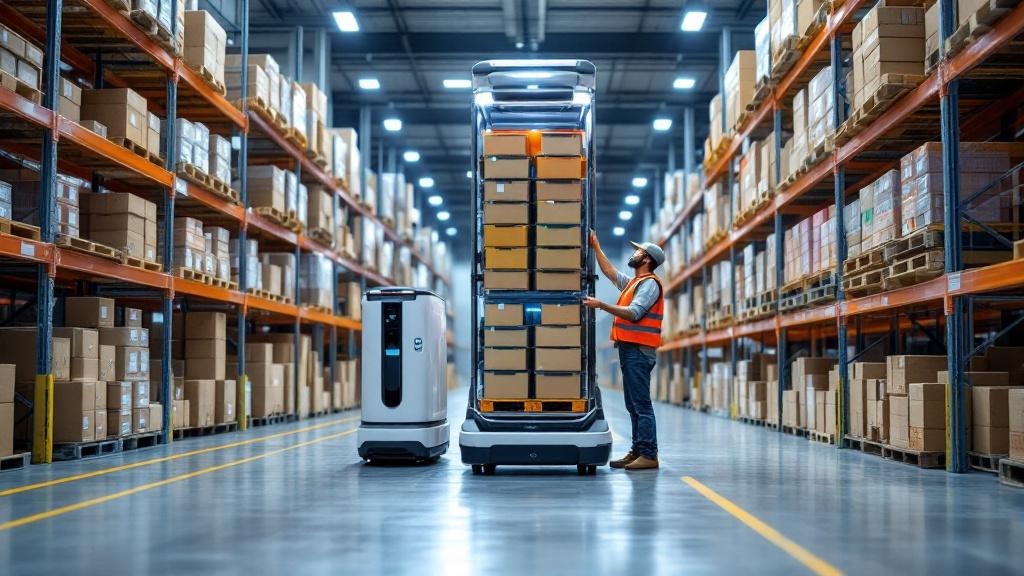
Speed wins orders, raises cash flow, and smooths operations. Small time gains at each stage stack into big end‑to‑end improvements. With automation, you move more volume without a linear jump in labor or square footage. Faster fulfillment means more revenue per day and fewer backorders. Customers feel the lift as reliable ship dates become the norm.
Manufacturing and Production Acceleration
Robotic cells run around the clock with short changeovers and consistent cycle times. In auto and heavy equipment, robotic welding and paint lines run at two to three times manual speeds with higher repeatability. AI‑driven scheduling sequences work to reduce setup time and balance bottlenecks. Predictive maintenance flags parts and machines before failure, so you avoid unplanned stops that wreck schedules. Machine learning tunes parameters over time, which compounds small cycle improvements into a solid throughput lift. The net result is faster ramps for new SKUs and shorter time‑to‑market.
Warehouse and Fulfillment Speed Gains
AS/RS locates and presents items in seconds instead of minutes. AMRs and AGVs remove long walks and dead time between picks. Automated packing sets box size, prints labels, and seals cartons in one motion. Many automated facilities process two to three times more orders per square foot with shorter cut‑off windows. Smart WMS rules group orders, set pick waves, and route tasks for the fastest completion. It is common to cut an order cycle from four hours to thirty minutes when you combine these steps.
Dynamic Logistics and Route Optimization
AI route planners use live traffic, weather, carrier capacity, and delivery windows to set the best plan. Automated load matching reduces empty miles and dock delays. When a lane shuts down, the system reroutes in real time and keeps ETAs current. Networks with strong TMS setups see deliveries move fifteen to twenty‑five percent faster, with fewer missed time slots and better on‑time performance.
Advantage #3: High Accuracy and Near‑Perfect Precision
Accuracy is a profit multiplier. Every avoided error removes direct cost and protects customer lifetime value. Automation raises data integrity at the source with barcode scans, RFID reads, and IoT sensors that record each movement. Manual processes often bottom out near ninety‑five to ninety‑seven percent accuracy. Automated flows push toward ninety‑nine point five to ninety‑nine point nine percent.
That precision stops error cascades. The right item ships to the right address in the right quantity. Inventory counts match reality, so planners stop ordering safety stock they do not need. Vision systems catch tiny defects that human inspectors miss, which keeps quality high without slowing the line. Finance improves too. Automated invoice matching, tax checks, and terms validation remove payment errors and write‑offs. OptimizePros deploys zero‑disruption pilots that lock in these gains early, so your teams see clean data and clean execution before you scale. One pharma site cut picking errors by ninety‑nine percent with automated verification, a change that paid back in weeks through fewer reships and service calls.
“Quality is everyone’s responsibility.” — W. Edwards Deming
Advantage #4: Real‑Time Visibility and Supply Chain Transparency

You cannot fix what you cannot visibility. KPMG found more than forty percent of companies lack even Tier 1 visibility. Automation flips that script by linking systems and feeding live status to a single place. With one source of truth, teams stop arguing over whose spreadsheet is right and start solving the right problem fast.
End‑to‑End Tracking and Monitoring
IoT sensors track location, temperature, humidity, and shock on goods that need tight control. RFID gives item‑level visibility as products move through receiving, storage, and outbound. GPS and telematics show where trucks and containers sit, with accurate ETAs. All of this rolls up into ERP and dashboard views that any stakeholder can read at a glance. In cold chain, alerts trigger before spoilage risk hits a threshold, which saves loads and protects compliance. Better visibility also means customers get honest delivery times and fewer surprises.
Supply Chain Control Towers
A control tower acts like a command center for operations. It combines people, process, and tech to pull data from suppliers, carriers, warehouses, and sales channels in one view. Analytics flag anomalies, bottlenecks, and trends so you act early. Alerts guide teams to the right fix before a miss shows up downstream. Retailers use this model to balance Black Friday stock across hundreds of stores without expensive overfill. OptimizePros sets up control‑tower practices so leaders see the whole network and make better, faster calls.
“There is nothing so useless as doing efficiently that which should not be done at all.” — Peter Drucker
Enhanced Supplier and Partner Collaboration
Shared data gives partners the same picture you see. Vendors forecast with your real use and run vendor‑managed inventory with confidence. CPFR programs align plans and cut last‑minute scrambles. With open APIs, new suppliers plug in fast when a shift is needed. When partners work from the same feed, trust grows and just‑in‑time performance improves without risky cuts to buffer stock.
Advantage #5: Intelligent, Data‑Driven Decision Making
Data only helps when you convert it into action. Automation creates clean, timely data at each touch, then AI turns that data into clear moves. That shift takes you from gut feel to precise, repeatable decisions across planning, sourcing, and execution. OptimizePros builds predictive models that show where the biggest gains sit and how to get them without risky bets.
Predictive Analytics and Demand Forecasting
Machine learning reads history, seasonality, promotions, economic signals, and local trends. Forecast accuracy often improves by twenty to fifty percent over basic methods. Better forecasts mean fewer stockouts and less excess stock, both of which drain cash. Retailers can spot SKU spikes by zip code and shift inventory before shelves go empty. Predictive maintenance models flag failures ahead of time, which saves expensive downtime. Demand sensing updates short‑term forecasts in near real time based on sales velocity. OptimizePros clients see quick wins here and often trim inventory by up to thirty‑five percent while keeping service levels high.
Scenario Planning and Digital Twins
A digital twin mirrors your supply chain in software and updates with live data. You can test changes without touching real orders. Try new capacity, swap a supplier, adjust routes, or model a demand surge to see impact on cost and service. Machine learning improves the twin’s advice as it learns your network. Generative AI lets managers ask complex questions in plain language and get options with trade‑offs in seconds. OptimizePros uses these tools to craft resilient playbooks you can run when the market shifts.
Practical questions leaders ask their twins:
- “What is the lowest‑cost way to protect a 98% fill rate if lead times stretch by 20%?”
- “Which lanes give me the best on‑time lift if I add two more carriers?”
- “How many AMRs do I need to hit peak volume without overtime?”
Real‑Time Operational Intelligence
Dashboards put key KPIs in one place for fast reads by function and by shift. Alerts fire when metrics drift from plan, so leaders act the same day rather than waiting for month‑end reports. If a demand spike hits a region, production and logistics pivot within hours, not weeks. That agility shows up as higher fill rates and faster cash cycles. OptimizePros tracks results with clear baselines, so impact is visible and not a guess.
Advantage #6: Superior Inventory Management and Working Capital Optimization
Inventory ties up more cash than many leaders realize. You need product on hand, but excess stock burns capital and rack space. Automation strikes the right balance. It brings live counts, smarter targets, and faster turns. McKinsey reports that AI‑enabled inventory systems can cut stock by as much as thirty‑five percent without hurting service.
Real‑Time Inventory Visibility and Accuracy
RFID and barcode scanning record every movement and give instant counts. Automated cycle counts replace shutdowns for annual physical inventory and keep accuracy high all year. Multi‑site views show what sits in each DC, what is on the road, and what is still at the supplier. With true counts, you can lower safety stock with confidence. Many manufacturers cut safety stock by forty percent after live tracking goes in. This also kills phantom inventory that tricks planners and frustrates sales.
AI‑Powered Inventory Optimization
Models weigh demand patterns, lead times, seasonality, supplier reliability, and target service levels. Safety stock adjusts with volatility, not guesses. Reorder points update automatically to prevent stockouts without bloating buffers. Multi‑echelon logic spreads stock across the network in the most efficient way. Distributors often free millions in working capital while raising fill rates. The system also flags slow movers and obsolescence early, so you can markdown or bundle before value fades.
Key inventory KPIs that move with automation:
- Days of inventory on hand (DIOH): down 15–35%
- Stockouts: down 20–50%
- Obsolescence write‑offs: down 25–40%
- Fill rate: up 2–8 points
Vendor‑Managed Inventory and Automated Replenishment
With clean, shared data, suppliers can restock your bins to agreed targets without manual checks. Automatic reordering kicks off POs when triggers hit. Consignment models become simpler with accurate tracking, which lowers your inventory ownership. Many auto plants now rely on supplier‑managed parts programs to keep lines running with low on‑hand stock.
Advantage #7: Exceptional Customer Experience and Satisfaction
Customers feel the benefits of automation in clear ways. Faster ship times, accurate orders, and honest updates build trust. In tight markets where products look alike, service quality keeps buyers coming back. Happy customers order more often, accept higher basket values, and share good experiences.
Faster, More Reliable Delivery
Fulfillment speed supports same‑day or next‑day options in key markets. Route optimization hits delivery windows more often, and live tracking gives customers visibility they value. Proactive messages reduce annoyed calls and show respect for the buyer’s time. Many programs lift on‑time performance from the mid‑eighties to over ninety‑eight percent once automation is in place. Reliability like that turns first‑time buyers into repeat customers.
Order Accuracy and Quality
Automated picking and verification stop wrong‑item shipments before they leave the dock. Vision systems spot flaws and prevent bad units from going out. Customers receive exactly what they ordered, in perfect shape. This lowers return rates and improves brand perception. One e‑commerce team cut returns from eight percent to two percent after they automated pick, pack, and QC checks, and service tickets fell in step.
Proactive Service and Transparency
AI chatbots answer common questions around the clock, and hand off to humans for complex cases. Systems notify buyers of issues before they ask, often with a fix already set. Messages can match preferences and history, which makes them feel personal rather than canned. Many brands now include sourcing and impact data in order status pages, which speaks to buyers who care about how goods are made.
“Make every interaction count, even the small ones. They are all relevant.” — Shep Hyken
Advantage #8: Building Supply Chain Resilience and Agility
Disruptions are part of the game. Weather, labor actions, port slowdowns, and geopolitical shifts all hit at once. Deloitte reports that a large majority of leaders have faced serious issues in recent years. Automation gives you both early warning and rapid response. It helps you avoid problems and also bounce back fast when hits land.
Rapid Response to Disruptions
Live monitoring shows trouble as it happens. AI models assess impact across plants, lanes, and customers in seconds. Systems can trigger pre‑approved plays such as alternate sourcing, route swaps, or schedule changes. Think of port congestion where bookings switch to open ports without manual triage. Digital twins let you test these plays before you need them, so the response is crisp. Supplier scorecards and diversification become easier to manage with automated onboarding and health checks. Control towers coordinate actions across multiple partners, which helps you keep revenue and service stable even when the map shifts. OptimizePros rolls out these capabilities with zero disruption, so resilience grows while operations keep running.
A simple disruption playbook might include:
- Alternate carriers and lanes pre‑vetted by corridor
- Safety‑stock rules for high‑risk SKUs and regions
- Make/buy switches with pre‑approved contract terms
- Site‑to‑site load balancing across DCs with surge labor plans
Flexible Capacity Management
Cloud platforms scale up when orders spike and scale down when volumes cool. Better forecasts inform staffing and slotting in advance. Modular automation like AMRs adds capacity in steps rather than big, fixed installs. One retailer ramped peak season capacity three times higher without permanent build‑out by adding robots and smart labor scheduling. Multi‑channel visibility lets you ship from the fastest node, not just the closest, which spreads load and reduces delays. Demand sensing triggers near‑real‑time adjustments that protect margin during swings.
Building a Responsive Supply Network
Data sharing tools make it simple to align with suppliers and carriers during change. Automated messages keep everyone updated on plan shifts without long email chains. Collaborative planning hubs support joint scenario tests and faster go‑decisions. With open APIs, you can qualify and integrate alternates in days, not months. Manufacturers that run this model keep lines up during a partner outage while slower rivals scramble.
Advantage #9: Sustainable Operations and ESG Compliance
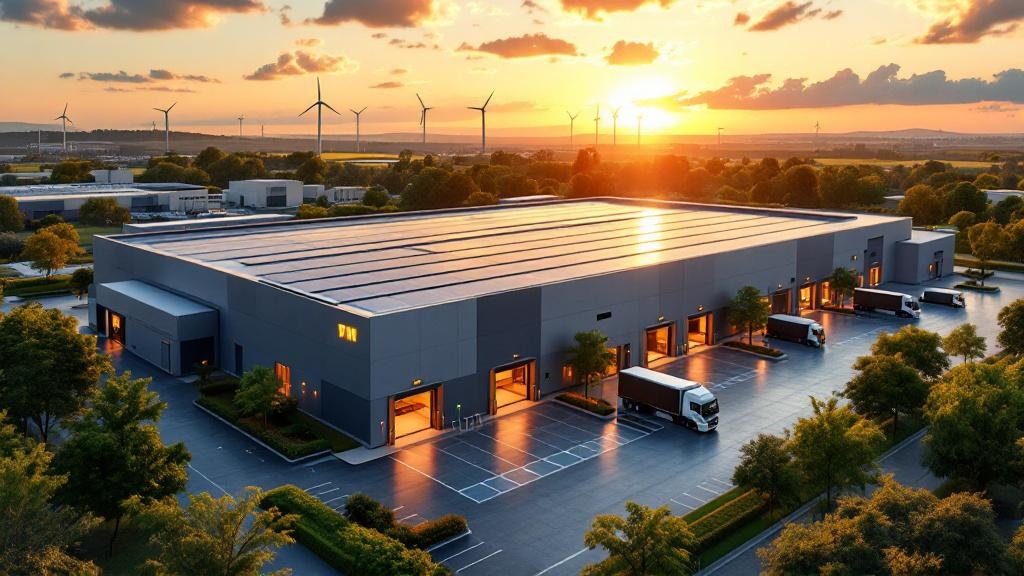
Sustainability is both the right move and a smart business move. Buyers, boards, and regulators expect progress with numbers behind it. Automation provides the data and control you need to cut waste and report results with confidence. Often, the greener path is the cheaper path, thanks to better routes, loads, and inventory health.
Reducing Environmental Footprint
Route planning and load building reduce miles and idle time, which drops fuel burn by ten to twenty percent in many fleets. Smarter loading cuts trips by fitting more into each trailer. Warehouses save power with LED systems, adaptive HVAC, and electric AMRs that sip energy. Better inventory health reduces spoilage and obsolescence, which avoids waste before it forms. Automated dimensioning right‑sizes boxes, so you use less corrugate and filler. Predictive maintenance extends equipment life and avoids early scrappage. Digital bills and records cut paper use across the chain. All of this feeds emissions metrics you can stand behind.
Supply Chain Transparency and Ethical Sourcing
Track and trace systems follow items from origin to shelf. That data helps confirm fair labor and responsible sourcing. Blockchain adds tamper‑resistant records for high‑risk or high‑value goods. Automated checks watch supplier ESG performance and flag drift right away. A food brand can show farm‑to‑fork data on a label or a QR code, which builds trust with shoppers. OptimizePros also sets up ESG data flows that support audit‑ready reporting without manual hunts.
Automated ESG Reporting and Compliance
Automated data capture supports Scope 1, 2, and 3 emissions rollups. Reporting modules compile metrics and narratives without months of spreadsheet work. Rules engines track current regulations and flag gaps before filings. Strong data trails back up claims, which avoids accusations of greenwashing. Many manufacturers cut reporting effort by eighty percent after automation, and they reassign those hours to actual impact work.
A quick reference for common ESG improvements:
| Area | Typical Impact | Automation Enabler |
|---|---|---|
| Fuel & Emissions | 10–20% lower per mile | Route/load optimization, TMS |
| Energy Use In DCs | 10–30% lower | Smart sensors, adaptive controls |
| Packaging Waste | 10–25% less | Automated dimensioning, box selection |
| Product Waste | 15–40% less | Better inventory health, FEFO, cold‑chain monitoring |
| Reporting Time | 60–80% less | Automated data capture and rollups |
Advantage #10: Attracting and Empowering a Modern Workforce
Automation does not replace people. It makes jobs safer, cleaner, and more interesting. With labor shortages and retirements, this matters. The best way to recruit and keep talent is to offer modern tools, clear growth paths, and work that uses human judgment rather than repetitive motion.
Making Supply Chain Careers More Attractive
Younger workers expect current tech at work, not clipboards and long walks. Automation removes heavy lifts and boring data entry, which lowers fatigue and injuries. Robots take on risky tasks while people take on control roles. Staff gain new skills as they work with AMRs, analytics, and control systems. Many sites see turnover drop by forty percent after automation goes live. Clean, bright, tech‑forward facilities stand out in local hiring, which shortens time to fill and reduces recruiter spend.
Advancing Workers to Strategic Roles
When software runs transactions, people focus on analysis and improvement. Data entry roles shift into supply planning. Pickers grow into flow leads and WMS specialists. Training programs teach teams how to manage systems and make decisions based on new insights. Procurement staff move from pushing POs to supplier performance and risk management. That path creates careers, not just jobs. OptimizePros guides change management and training so teams feel confident and ready, which lifts productivity and engagement.
Addressing the Skills Gap
User‑friendly interfaces speed training and reduce reliance on rare specialists. Systems capture playbooks and know‑how, so retirement does not drain your brain trust. Clear workflows and guided screens help new hires contribute faster. During tight labor periods, automation lets you hit targets with fewer people and less overtime.
“Where there is no standard, there can be no improvement.” — Adapted from Taiichi Ohno
Advantage #11: Regulatory Compliance and Risk Reduction
Regulations keep shifting across product safety, customs, data privacy, and worker safety. The risk of a miss includes fines, disrupted shipments, and brand damage. Automated controls give you consistent execution and complete records, which lowers exposure and makes audits straightforward.
Automated Compliance Monitoring and Enforcement
Systems embed rules so out‑of‑bounds actions do not move forward. Validation checks block shipments that lack required docs or certifications. Automated checks align with FDA, OSHA, customs, and industry rules, and software updates keep those checks current. In pharma, automated temperature and duration controls protect cold chain integrity without manual logs. Quality checks on the line verify specs before release. Automation removes the manual slip‑ups that most often cause violations and recalls.
Complete Audit Trails and Documentation
Every transaction and step logs with timestamp, user, and details. Audit trails show exactly what happened and when, with no gaps. Docs auto‑generate and store in the right place, which turns audits into quick reviews rather than hunts. Food producers can isolate affected lots within hours during a recall because trace data sits ready. Blockchain adds tamper‑proof records for sensitive categories. OptimizePros builds these controls into the rollout so compliance strength exists from day one.
Proactive Risk Identification
AI watches for anomalies that hint at coming issues. Alerts notify compliance teams when patterns drift, not after a violation hits. Predictive risk models spot suppliers or lanes that trend toward trouble. Automated quality gates hold back non‑conforming product before it ships. Customs doc checks run in advance, which avoids clearance delays and penalties.
How OptimizePros Delivers These Automation Advantages
Mid‑market and large distributors and manufacturers often feel priced out of top‑tier expertise. OptimizePros changes that. You get Fortune 500‑level talent focused on profit, speed, and accuracy for your exact network. The method is practical. Go after the biggest gains first, deliver quick wins, and scale without interrupting service.
AI‑Powered, End‑to‑End Supply Chain Optimization
OptimizePros reviews your full flow to find the highest‑impact moves across planning, procurement, production, warehousing, and logistics. AI pinpoints bottlenecks, quantifies the value at stake, and proposes specific steps. Machine learning models then keep tuning inventory targets, routes, and schedules as new data comes in. One client reached $500K in quarterly savings by combining better forecasts, smarter picks, and load optimization in a single phased plan. The stack scales with growth, so your gains grow as volume grows. The promise is simple. Measurable ROI within weeks, not years.
Zero‑Disruption Implementation Methodology
Automation should not put your service at risk. OptimizePros runs parallel systems during cutovers and schedules changes around peak periods. Teams receive hands‑on training and clear role updates, which lowers stress and speeds adoption. One client kept on‑time delivery at ninety‑nine point five percent throughout a multi‑site rollout. Dedicated support stays close through go‑live and stabilization, so small issues do not become large ones. Business continuity stays intact from start to finish.
Measurable Results and Ongoing Optimization
You see your impact on live KPI dashboards with clean before and after baselines. The work does not stop at go‑live. Quarterly reviews surface new gains, and the models keep learning. Typical results include double‑digit cost cuts, big jumps in pick speed, and near‑perfect accuracy. OptimizePros often ties fees to performance, which aligns incentives and shows confidence in the plan. The goal is not a one‑off project. It is a durable edge.
Overcoming Common Automation Implementation Challenges
You may worry about cost, integration, cyber risk, or team readiness. Those concerns are real, and there are proven ways to handle them. With a phased plan, tight change control, and clear ROI math, you move forward with confidence. OptimizePros brings patterns that reduce risk and raise payoff.
Managing Initial Investment Concerns
Upfront spend can feel high, but payback often comes fast when you target value first. A phased roadmap spreads cost and delivers cash gains from early wins that help fund later phases. Build the case with numbers you already have. Overtime, expedites, write‑offs, and rework add up quickly and often dwarf license fees. Cloud platforms and as‑a‑service models lower capital outlay and speed start‑up. Many programs reach payback in six to eighteen months. The bigger risk is delay, since every month lost gives early movers a wider lead. OptimizePros focuses on the highest‑ROI steps first, so your team sees hard results within weeks and momentum builds.
Integration with Legacy Systems
Most supply chains run a mix of old and new tools. Integration does not have to be a wall. Modern APIs, event streams, and lightweight middleware connect ERPs, WMS, TMS, and partner portals without ripping out core systems. Start with the data flows that drive the most value, then expand. Use pilots to validate mappings and performance before scale. Keep a clean master data plan so codes and attributes match across systems. With this approach, you get the benefits of automation while legacy platforms keep doing the jobs they still do well.
Conclusion
The advantages of automation in supply chain are clear and proven. Lower cost per order, faster cycle times, near‑perfect accuracy, real‑time visibility, smarter decisions, better inventory turns, happier customers, a stronger workforce, tighter compliance, and higher resilience all tie back to one decision. Automate with purpose and measure the gains.
If you face rising costs, late orders, or bloated stock, the fastest path is a focused, phased plan that targets value first. OptimizePros brings AI‑driven strategy, a zero‑disruption rollout, and Fortune 500‑level know‑how to mid‑sized and large operators. Clients see measurable ROI within weeks and savings that can reach $500K per quarter. The gap between early adopters and late movers keeps widening. Now is the time to set a faster, smarter, more profitable supply chain in motion.
FAQs
Q. What areas deliver the fastest ROI from supply chain automation?
A. Start with demand forecasting, pick and pack automation, and route and load optimization. These cuts touch time, labor, and freight, so they create quick wins that fund the next phases.
Q. How do we avoid disruption during implementation?
A. Use a phased plan, run systems in parallel during cutover, and schedule go‑lives outside peak periods. Train crews early and keep support close. OptimizePros follows this model to keep service levels steady.
Q. Do we need to replace our ERP to automate?
A. Not always. Many gains come from connecting your ERP with a WMS, TMS, and analytics through APIs. Integration and clean master data matter more than a big rip‑and‑replace.
Q. How does automation affect our team?
A. It shifts work from manual tasks to higher‑value roles. People move into analysis, process control, and supplier and customer care. Sites often see lower turnover and safer jobs.
Q. Can automation help with ESG targets?
A. Yes. Route and load optimization cut fuel, inventory health reduces waste, and automated tracking supports Scope 1, 2, and 3 reporting. You get real progress and clean data for audits.
Q. How fast can we see results?
A. With a focused roadmap, many organizations see measurable improvements within weeks. OptimizePros targets the biggest value levers first, so savings and speed gains show up early.